
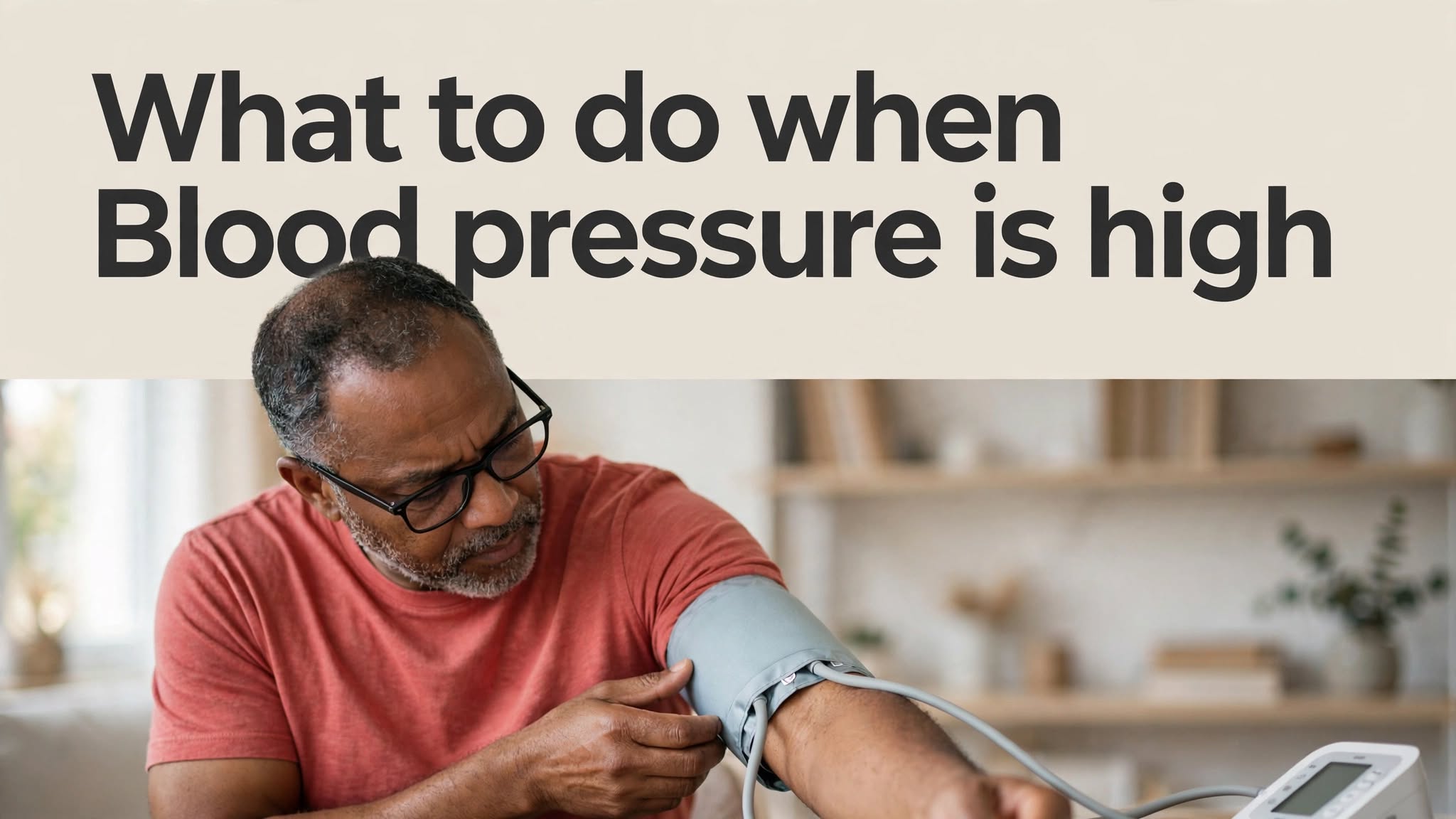
One of the biggest misconceptions about high blood pressure (hypertension) is that you must feel unwell to have it. The truth is that you can have dangerously elevated blood pressure and feel completely normal.
Hypertension is often called a silent killer because it may cause no noticeable symptoms while gradually damaging vital organs, including the heart, brain, kidneys and eyes.
1. Why you should take high blood pressure seriously, even when you feel fine
Blood pressure is the force exerted by circulating blood against the walls of your arteries. When this pressure remains consistently high, your heart works harder than it should.
Over time, uncontrolled hypertension increases the risk of:
- Stroke and heart failure.
- Heart attack and other cardiovascular diseases.
- Chronic kidney disease and kidney failure.
- Visual impairment.
- Vascular damage and premature death.
Feeling healthy does not necessarily mean your blood pressure is healthy.
2. What do your blood pressure numbers mean?
Blood pressure is recorded using two numbers:
- Systolic pressure (top number): Pressure when the heart contracts.
- Diastolic pressure (bottom number): Pressure when the heart relaxes.
Blood pressure
General interpretation
Below 120/80 mmHg
Normal
120–129 and below 80
Elevated
130–139 or 80–89
Stage 1 hypertension (US classification)
140 or higher, or 90 or higher
Stage 2 hypertension (US classification)
Above 180 and/or above 120
Severe hypertension; requires prompt assessment
Classification systems vary between guidelines and countries. A single high reading does not automatically establish a diagnosis; repeated, properly measured readings and clinical assessment are important.
3. What should you do when your numbers are high but you feel fine?
Step 1: Repeat the measurement correctly.
- Sit quietly for at least five minutes.
- Keep your back supported and feet flat on the floor.
- Rest your arm at heart level.
- Use a properly sized upper-arm cuff.
- Avoid talking during measurement.
- Take two readings, one minute apart.
Avoid smoking, caffeine and exercise for at least 30 minutes before measuring.
Step 2: Record your readings.
Keep a blood pressure diary with the date, time and readings. This helps your healthcare provider identify patterns and determine whether treatment is required.
Step 3: Do not ignore persistent high readings.
Arrange a medical assessment, even if you feel perfectly well. Do not wait for symptoms before seeking care.
Step 4: Take prescribed medications consistently.
If you have been prescribed antihypertensive medication, take it as directed. Do not stop, double, or change your medication simply because you feel better or your blood pressure improves.
4. When is high blood pressure an emergency?
Medical emergency warning
If your blood pressure is above 180 systolic and/or 120 diastolic, wait at least one minute and repeat the measurement.
- If it remains that high without symptoms, contact a healthcare professional immediately for urgent assessment.
- If it is accompanied by chest pain, difficulty breathing, severe headache, weakness, numbness, confusion, vision changes or difficulty speaking, seek emergency medical care immediately. Do not wait for another reading.
5. Lifestyle changes that make a difference
You can significantly improve blood pressure control through sustainable lifestyle changes:
- Reduce salt intake: Limit added salt, seasoning cubes and highly processed foods.
- Eat healthier: Include vegetables, fruits, whole grains, beans and other nutritious foods.
- Stay physically active: Aim for at least 150 minutes of moderate physical activity weekly, as appropriate for your health.
- Maintain a healthy weight: Even modest weight reduction can improve blood pressure.
- Limit alcohol and avoid tobacco.
- Prioritise sleep and stress management.
- Attend regular blood pressure checks.
6. The message everyone needs to remember
High blood pressure is not something you should wait to feel before taking action.
You do not have to experience a headache, dizziness, palpitations or weakness before hypertension becomes dangerous.
By
Dr. Chukwudi Victor Ajah
Practice and Quality Assurance Manager, REACH Clinics Nigeria
